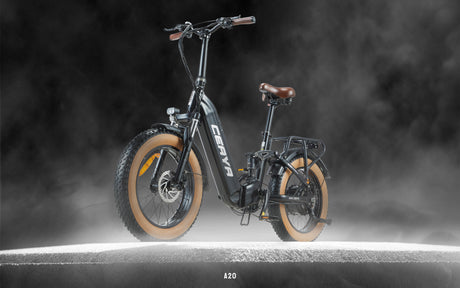
If your CEAYA ebike develops a problem after purchase, the fastest path to a solution is not demanding an on-site repair or threatening a refund. It’s following the warranty support process correctly. This guide explains how warranty claims actually work for direct-to-consumer ebikes, what evidence you’ll need to provide, and how to avoid common pitfalls that slow down resolutions.
Why You Can’t Just Demand a Home Repair Visit
Many ebike buyers assume that if something breaks, a technician will come to their house. For direct-to-consumer brands like CEAYA, that’s rarely how it works. The economics are simple: sending a technician to every customer’s location would make warranties financially unsustainable, especially for brands selling at competitive price points.
Industry-wide, DTC ebike companies handle warranty claims through remote diagnosis and part replacement, not on-site service. This is the standard model for this industry—not a loophole, but the practical reality of how modern ebike brands operate.
The good news: most ebike issues can be diagnosed remotely, and most fixes involve replacing a component you can install yourself with basic tools.
The Warranty Process, Explained Honestly
CEAYA’s warranty flow follows a logical sequence:
Request → Evidence → Diagnosis → Solution → Part Return (if needed) → Replacement Shipped → You Install → Complete
Each step exists for a reason. The most critical—and most misunderstood—is the evidence step.
Why We Require Photos or Videos (And Why This Protects You Too)When you submit a warranty claim, you’ll be asked for photos or video showing the problem. This isn’t bureaucratic hassle. It’s how diagnosis works.
A video showing the error code on your display, the sound your motor is making, or the way your battery fails to charge gives us the information needed to identify the fault. Without it, we’re guessing—and guessing leads to wrong parts, wasted time, and frustration on both sides.
Manufacturers also require this evidence from us to process warranty claims with our suppliers. When you provide clear photos or videos, you’re not just helping us—you’re accelerating your own resolution.

Practical tip: If video is easier than photos, send it via WhatsApp to our technical support team. Short clips (10–30 seconds) showing the issue clearly are ideal. Make sure the fault is visible or audible, and include your order number in the message.
For more details on coverage periods and exclusions, see our official Warranty Policy.
What “White-Label” Warranty Abuse Looks Like (And Why It Hurts Everyone)
A small number of buyers try to exploit warranty policies—claiming a part is defective when it was damaged by misuse, or requesting a replacement for a component they actually broke. This behavior has real consequences:
- It raises costs for the brand, which eventually get passed to all customers
- It slows down legitimate claims because support teams become more skeptical
- It can lead to stricter warranty terms for everyone
Warranty policies exist to cover manufacturing defects, not accidents, normal wear, or user error. If you crash your bike, submerge the battery, or modify the controller, that’s not a warranty issue. Most policies explicitly exclude damage from misuse, unauthorized repairs, or modifications.
The honest approach: if you’re not sure whether something is covered, ask. Support teams can tell you quickly. What they can’t do is process a claim that doesn’t meet the terms.
How to Submit a Claim That Gets Resolved Fast

1. Gather your evidence first.
Before emailing, take clear photos or a short video of the problem. Include your order number and a brief description of what’s happening.
2. Submit through the correct channel.
Email buyer-support@ceayabikes.com or use the online customer service. Include all evidence in your initial message—this saves a round-trip of back-and-forth.
3. Be specific about the symptom.
“The motor doesn’t work” is less helpful than “The motor cuts out after 30 seconds of riding, and the display shows error code E-07.”
4. Follow the diagnosis steps if asked.
Sometimes we’ll ask you to test something simple—check a connection, measure voltage, try a different charging method. These tests help isolate the fault. Skipping them delays resolution.
5. Install the replacement part when it arrives.
Most parts are designed for user installation. If you’re not comfortable doing it yourself, a local bike shop can help—but note that CEAYA doesn’t reimburse third-party labor costs unless agreed in advance.
A Note on Warranty Coverage and Legal Rights
Warranty coverage for ebikes varies by region, and it’s worth understanding how commercial warranties work alongside consumer protection laws.
In the European Union, consumer protection laws require sellers to ensure products conform to the sales contract. This legal guarantee covers defects. However, it does not cover normal wear and tear—and for ebike batteries, natural capacity degradation over time is considered normal wear, not a defect. CEAYA’s commercial warranty provides specific coverage periods for different components, which you can review in our Warranty Policy. These commercial terms operate alongside—not instead of—your statutory rights.
In the United States, there is no federal law mandating a specific warranty duration for ebikes. The Magnuson-Moss Warranty Act sets transparency requirements for written warranties but does not dictate how long coverage must last. State laws vary, and CEAYA’s warranty terms represent our voluntary commercial commitment to customers.

Important clarification about ebike electrical systems: Unlike some household electronics, ebike electrical components—including batteries, motors, and controllers—are not automatically covered by a two-year warranty in any jurisdiction. Battery capacity naturally declines with use and charging cycles; this is normal and expected. Our warranty policy outlines specific coverage periods for each component category, and we encourage you to read it carefully before purchasing.
This section reflects our understanding of general warranty principles and is provided for informational purposes only. It is not legal advice and does not create any legal rights or obligations beyond those stated in CEAYA’s official warranty policy. If you have questions about your specific situation, please contact our support team directly.
The bottom line:
Following the process isn’t about jumping through hoops. It’s about getting your ebike working again as quickly as possible. Clear evidence, honest communication, and a bit of patience on both sides make that happen.