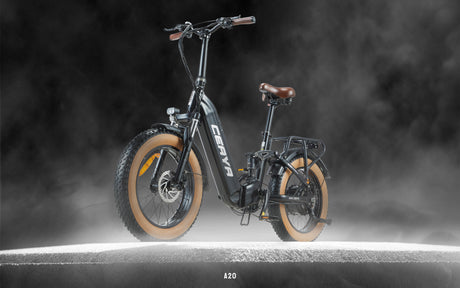
The material of the brake pad affects the braking performance and durability. There are three types of brake pad materials currently on sale at CEAYABIKES.COM, but which material is right for you? Let us help you choose.
First, let us understand the types of bicycle brake pads
1.Resin brake pads (organic material) - ORGANIC
-
Material: Made of a mixture of organic materials such as resin, rubber, fiber, etc.
-
Advantages: light weight, low noise, no need for running-in, strong adaptability. It can provide good braking force under dry conditions and has less wear on the disc.
-
Disadvantages: general hydrophobicity, braking force significantly reduced after getting wet, poor thermal attenuation, resulting in reduced braking performance, relatively short service life, and frequent replacement is required.
- Applicable models: mountain bikes, urban commuter bikes, road bikes, etc.
2. All-metal brake pads (sintered material) - METALLIC

-
Material: Made of metal powder sintered at high temperature
-
Advantages: strong braking force, fast heat dissipation, long service life, suitable for high-intensity riding, not affected by weather, and almost no effect on braking performance after getting wet.
-
Disadvantages: loud noise, heavy weight, and long running-in time. Metal materials will accelerate the wear of the disc surface, and there are requirements for the matching of the disc. Not all discs are suitable for metal brake pads. Incorrect use will accelerate the damage of the disc.
- Applicable models: only suitable for bicycles with thickened brake discs. Common models include: electric bicycles, off-road bicycles, downhill bicycles and bicycles for high-intensity riding.
3. Composite brake pads (semi-metallic material) - SEMI METALLIC

-
Material: a mixture of resin and metal materials
-
Advantages: good balance performance, can provide better braking performance and durability. Suitable for a variety of riding conditions
-
Disadvantages: mediocre performance, may not be as outstanding as pure resin or pure metal brake pads under extreme conditions.
- Applicable models: mountain bikes, urban commuter bikes, road bikes, electric bikes, etc.
4. Ceramic brake pads - CERAMIC

-
Material: Ceramic powder mixed with metal or resin
-
Advantages: good heat resistance, suitable for high-intensity braking, low noise during braking, and light weight
-
Disadvantages: high price, relatively rare, and limited models to choose from
- Applicable models: suitable for riders who pursue lightweight
In summary,
-If your daily use environment is just urban commuting or riding with low braking frequency and you want low braking noise and a gentle and comfortable braking feel, you can choose resin brake pads or composite brake pads.
-If you are a cycling enthusiast, pursue high-intensity riding, like exciting sports challenges, and have a high-configuration bicycle, you can consider choosing all-metal brake pads or ceramic brake pads.
Of course, depending on the different use environments, resin brake pads or composite material brake pads may also be used for different cycling sports.
So what brake pads are you using now? Welcome to leave a message to share your thoughts on choosing brake pads!